How cross-border charter pricing works
Why the domestic “hours per day” model does not apply
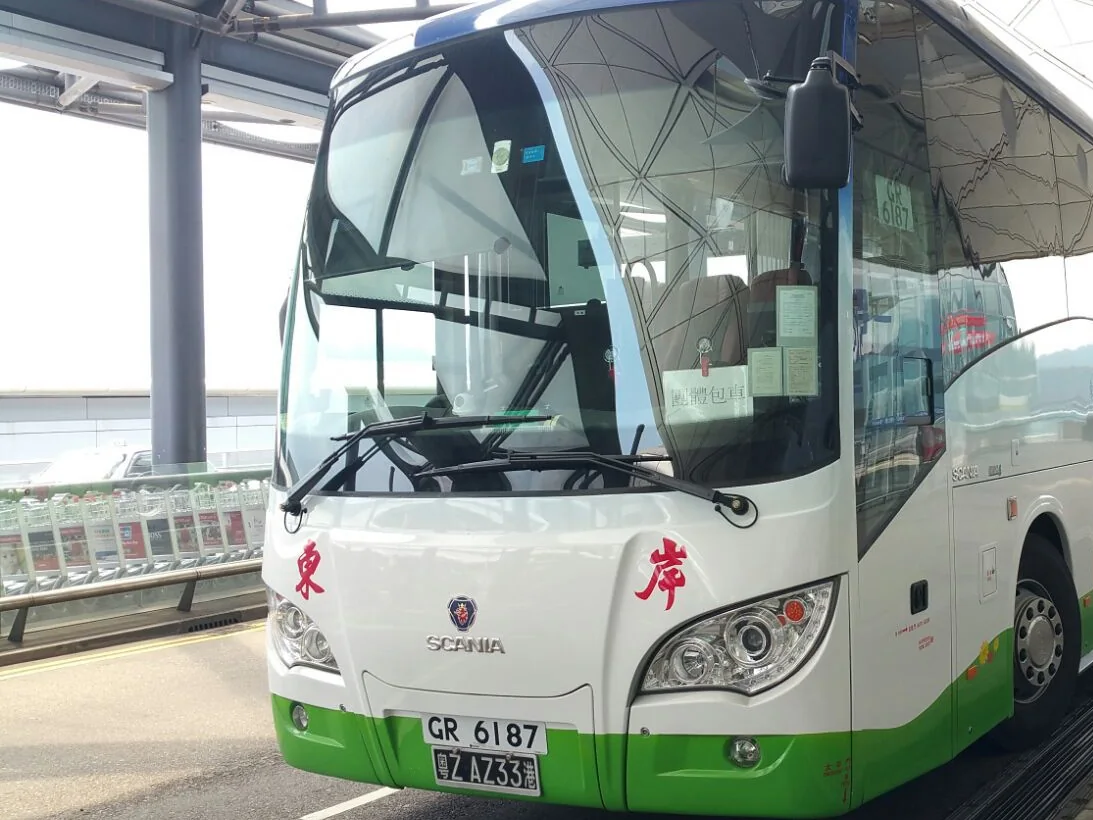
Cross-border travel is priced differently from domestic work: it involves dual-plate vehicles, border clearance time and the driving range inside Hong Kong or Macau. Cross-border trips are therefore quoted per trip or per return, not on the domestic “hours included per day” basis. Destination, crossing, vehicle type and whether the trip is a return are the four things that move the price.
What the quote includes and excludes
Driver, fuel, tolls, vehicle insurance and operating licences are included. Driver accommodation and parking are excluded and charged at cost, stated on the quote — no additions afterwards. Border and bridge costs on cross-border routes are stated in the route quote rather than calculated from a domestic per-kilometre rate.
One-way, return or daily — which to choose
A drop-off only (for example to the airport, with the driver returning empty) is quoted as a one-way trip. A round trip with waiting included is quoted as a return. Multi-leg days and overnight itineraries are quoted per day. Whichever basis is cheapest for your itinerary is the one we quote.
Planning group cross-border travel
Why groups of 20+ should travel by minibus or coach
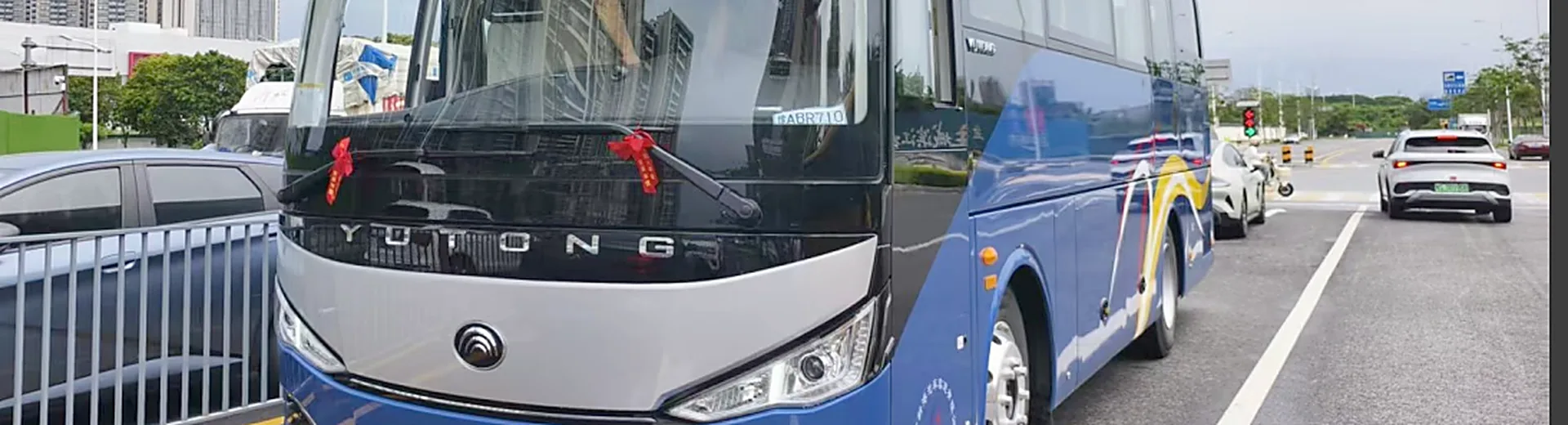
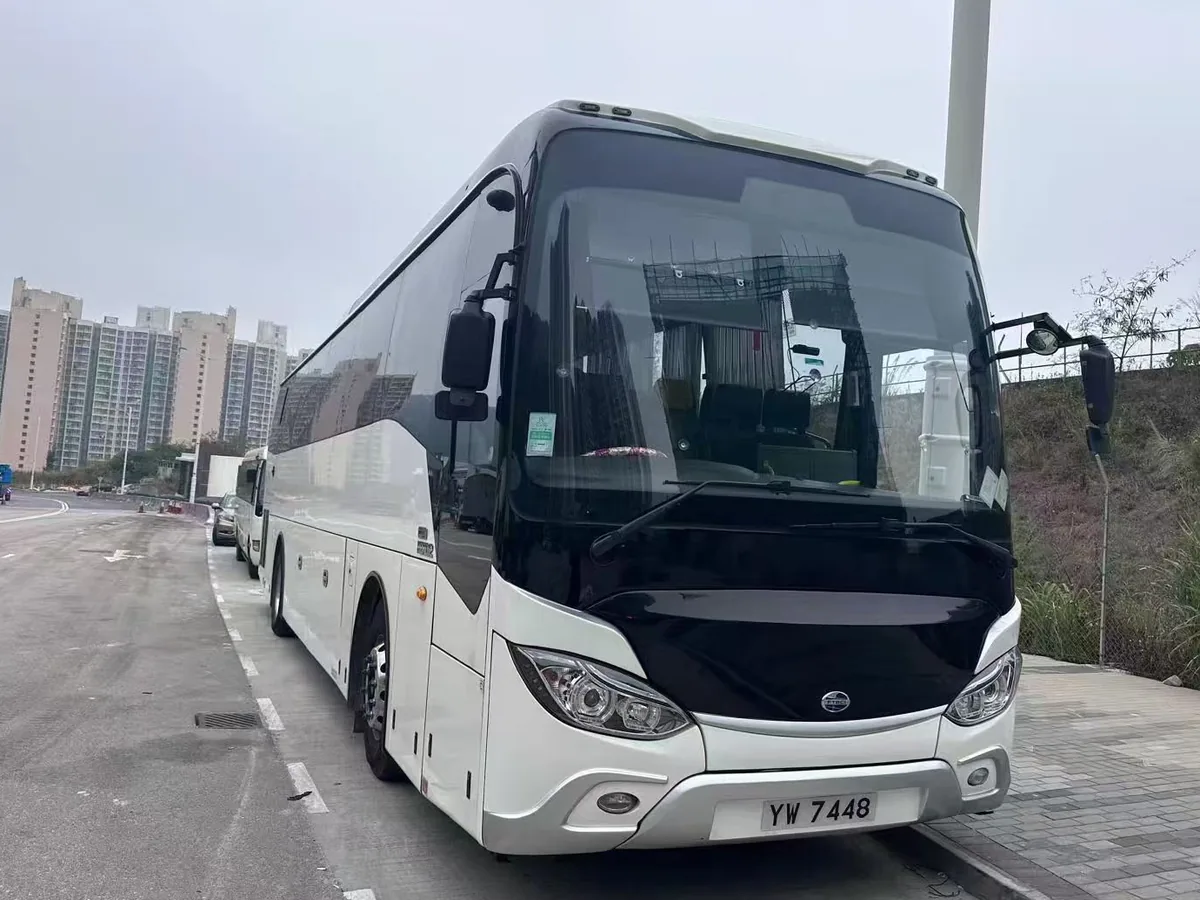
Split a group of 20 into three 7-seat MPVs and the group clears the border in batches, luggage is split across cars and everyone waits to regroup before leaving. One 22-seat minibus or 38-seat coach clears once, keeps people and luggage together and is far easier to lead. Larger groups run several vehicles under one dispatch.
Matching luggage to the vehicle
We match the vehicle to headcount plus luggage pieces and step up a size when needed. Coaches have a lower luggage hold that takes group luggage and exhibition materials in one go; a 7-seat MPV boot only takes standard checked luggage, so once numbers rise a minibus is the sensible move.
Check documents and endorsements early
Check both the expiry date of the travel permit or passport and the remaining endorsement entries — before departure, not at the border. For group travel we recommend the group leader collects and checks everyone's documents together.
How much clearance time to allow
On ordinary days allow at least one extra hour on top of the driving time; at weekends, public holidays and trade-fair peaks allow 1.5 hours or more. Clearance hours and requirements follow the border authority's notices for that day, and pickups or meetings that cannot be late should allow extra.
Distances and travel time (Dongguan ↔ Hong Kong / Macau)
Dongguan ↔ Hong Kong (urban areas)
About 111 km, excluding queues and clearance time. We normally cross via Shenzhen Bay or Huanggang, chosen by destination and that day's traffic.
Dongguan ↔ Hong Kong Airport
About 117 km; roughly 1.7 hours by car, excluding border queues. Airport transfers are scheduled around the flight's actual landing time.
Dongguan ↔ Macau
About 123 km, crossing via Zhuhai (Gongbei / Hengqin); priced by crossing and destination.
Dongguan ↔ Zhuhai (Chimelong)
About 119 km, roughly 1.6 hours — popular for family and team trips; group cross-border travel can be arranged.
Why a coach takes longer than a car navigation estimate
Coaches run at lower speed limits and long trips require driver rest breaks, so allow roughly 1-2 hours more in practice. Build that margin into the itinerary; the exact time depends on the day's traffic and border queues.